
How to Wear Your Mum’s Wedding Dress: Heirloom Redesign Ideas for 2026 UK Brides
There’s something deeply special about walking down the aisle in a dress that’s already carried a love story. Whether it belonged to your mother, grandmother, or a beloved aunt, an heirloom wedding dress holds a kind of magic that no boutique can replicate. And in 2026, with sustainability shaping every corner of the bridal industry, more UK brides than ever are choosing to honour that magic - not by hanging the dress back in a wardrobe, but by transforming it into something entirely their ownIf you’ve been wondering whether your mum’s 1980s puff-sleeve gown can become your sleek contemporary dress, or whether that gorgeous but yellowing lace can be restored to its former glory - the answer is almost certainly yes. Here’s everything you need to know about heirloom wedding dress redesign in the UK.
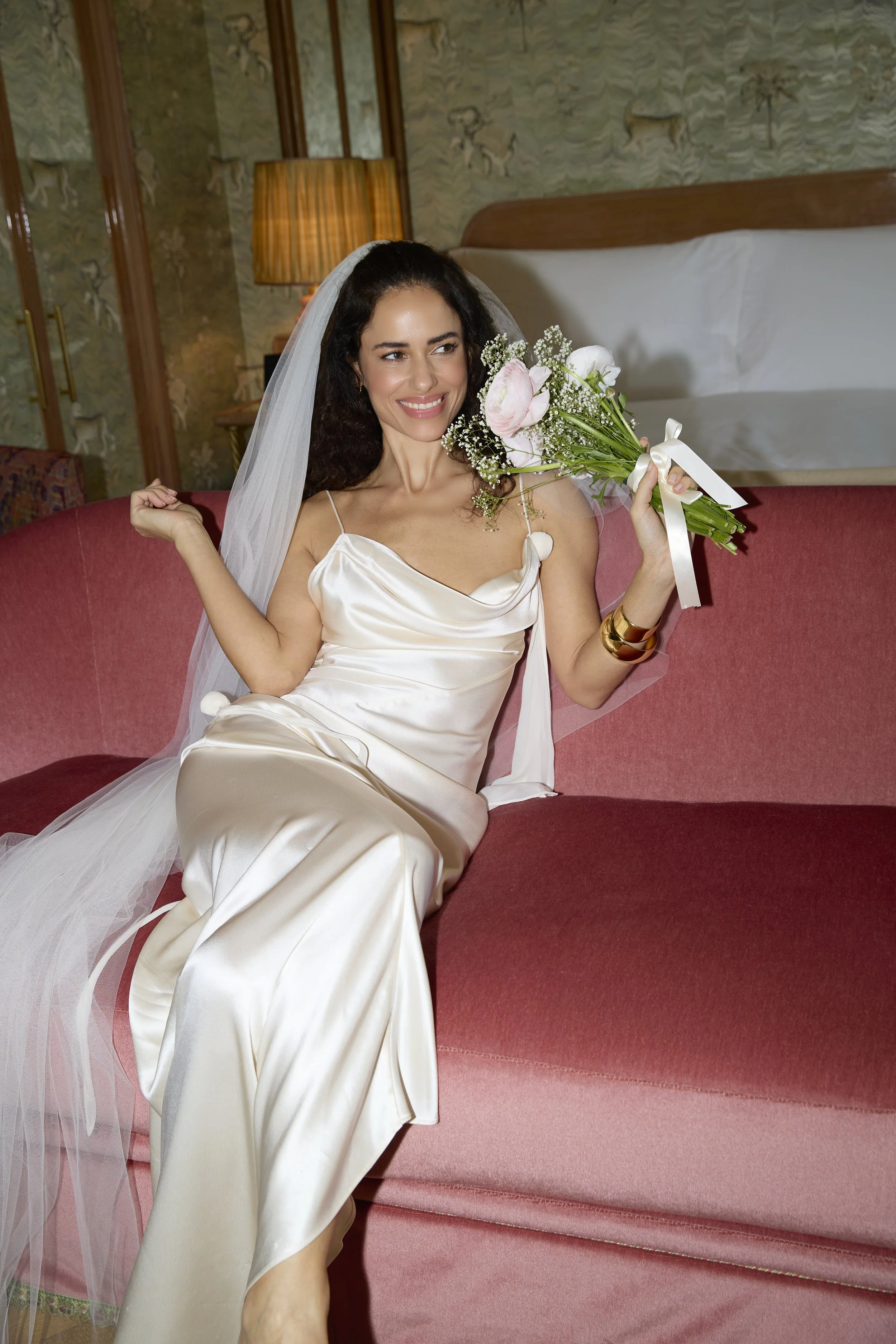
Why Heirloom Wedding Dress Redesign Is Having a Moment
The numbers don’t lie: searches for wedding dress upcycling and heirloom bridal alterations have surged across the UK, driven by a perfect storm of sustainability consciousness, cost-of-living pressures, and a genuine cultural shift towards meaningful, personalised weddings.
A brand-new designer wedding dress can cost anywhere from £1,500 to £10,000+. An expertly redesigned heirloom gown? A fraction of that - and infinitely more sentimental. For 2026 brides, it’s not a compromise. It’s the most intentional choice they can make.
There’s also the circular fashion angle. The bridal industry is one of fashion’s most wasteful: most wedding dresses are worn once and then stored indefinitely. Redesigning and rewearing a family dress keeps it in active life, reduces demand for new production, and creates a new chapter in a garment’s story. That’s not just sustainable - it’s beautiful.
What Does Heirloom Wedding Dress Redesign Actually Involve?
No two heirloom redesigns are the same, but most projects fall into one of a few key categories.
Silhouette transformation is the most common ask. An 80s dress with a big skirt and voluminous sleeves can be restructured into a sleek, contemporary column or A-line. Fabric is removed, reshaped, and sometimes repurposed - those removed sleeves might become a sash, a veil trim, or even a hair accessory.
Fabric restoration and dyeing offers a different kind of transformation. Ivory silk that’s yellowed with age can be professionally cleaned or dyed to a fresh shade. More boldly, some brides choose to dye their inherited gown an entirely different colour - champagne, blush, sage, even black - to make it feel entirely theirs. Phini’s network of expert designers offers professional wedding dress dyeing services across the UK.
Lace and embellishment preservation is often the most emotionally significant part of the work. Vintage lace is frequently the most precious element of a family gown. A skilled designer can carefully remove and reapply it to a new structure, or incorporate it into a modern overlay, bodice, or sleeve.
Combining elements from multiple dresses is another beautiful option. Some brides combine their mother’s and grandmother’s dresses into one composite gown - perhaps taking the lace from one and the silhouette from another. The result is a dress that carries multiple generations of family history.
Whatever the scope, the first step is always the same: a consultation with an expert who understands both the technical and emotional weight of what they’re working with. Phini’s heirloom dress redesign service connects you with vetted UK specialists who do exactly that.
How to Know If Your Heirloom Dress Is a Good Candidate
The good news: most dresses are workable, even those that have been in storage for decades. Here’s what experienced designers look for.
Fabric integrity is the first consideration. Silk and satin age well if stored correctly, and natural fibres like cotton and linen tend to hold up better than early synthetics. A specialist can assess whether the fabric has sufficient structural strength to be worked with.
Construction quality is a hidden asset in older gowns. Dresses from the 1960s, 70s, and 80s were frequently made with extraordinary craftsmanship. Hand-stitched seams and quality boning can actually be easier to work with than some modern ready-to-wear construction.
Condition is rarely a deal-breaker. Yellowing, small stains, and minor fabric weakness are all addressable. Significant moth damage or fabric disintegration is more challenging. Though in many cases, the most precious parts (lace, beading, embroidery) can still be salvaged and incorporated into a new design.
The best way to assess your dress is simply to bring it to a specialist for a consultation. Many of Phini’s designers offer initial assessments, so you can understand what’s possible before committing to a full wedding dress redesign.
Questions to Ask Your Designer Before You Begin
Starting a heirloom redesign is a deeply collaborative process. Asking the right questions upfront will set you both up for success.
“What elements of this dress are most important to preserve?” Whether it’s the lace, the silhouette, or a particular embellishment, being clear about your non-negotiables helps your designer work within meaningful constraints.
“What would you do differently if this were your dress?” A good designer will have instincts and ideas. Invite them in. Some of the most beautiful redesigns come from unexpected suggestions.
“Can I see examples of similar projects you’ve done?” Heirloom work is a specialist skill. Look for designers with a portfolio that demonstrates experience with vintage fabrics and sentimental pieces.
“What’s the realistic timeline?” Heirloom redesigns typically take 8-16 weeks, depending on complexity. Build this into your wedding timeline accordingly.
Phini’s wedding dress redesign platform makes it easy to browse designer portfolios and find someone whose aesthetic and experience matches what you’re looking for.
What to Expect: The Process from First Consultation to Final Fitting
Most heirloom redesign projects follow a similar arc. It begins with an initial consultation, where you meet (in person or virtually) with your designer. They assess the dress, discuss your vision, and provide a quote and timeline.
Next comes a design brief. Together, you agree on the scope: what’s being changed, what’s being preserved, and any new elements being added (such as new lining or underskirt fabric).
The deconstruction stage follows, where the designer carefully takes apart the original dress, preserving usable elements. This requires patience and real technical precision.
Reconstruction is where the dress is rebuilt according to the agreed design, which may involve sourcing complementary new fabrics to supplement the original material. Then com typically 2-3 fittings to ensure the finished dress fits you perfectly. And finally, delivery: your heirloom, reimagined and entirely yours.
The experience is more personal and collaborative than buying a dress off the rack. Many brides describe it as one of the most meaningful parts of their entire wedding preparation.
FAQs: Heirloom Wedding Dress Redesign UK
Q: How much does it cost to redesign a heirloom wedding dress in the UK?
Costs vary widely depending on the scope of work. Simple alterations and modernisation might start from around £300-£500. Complex redesigns involving full silhouette restructuring, dyeing, and new fabric can range from £800 to £2,500+. A specialist consultation will give you an accurate quote for your specific dress.
Q: Can a yellowed or discoloured wedding dress be restored?
Yes, in most cases. Professional cleaning can remove age-related yellowing, and dyeing can refresh or transform the colour entirely. Phini’s wedding dress dyeing specialists work with all fabric types and can advise on the best approach for your dress.
Q: How long does a heirloom dress redesign take?
Allow 8-16 weeks for a full redesign, depending on complexity. If your wedding is approaching, book a consultation as early as possible. Specialist designers often have waiting lists.
Q: Do I have to redesign the whole dress, or can I just update certain elements?
Absolutely not, partial redesigns are very common. Many brides simply want sleeves removed, a train shortened, or a neckline adjusted while keeping the rest of the dress intact. Phini’s designers work to whatever brief you give them.
Q: Can bridesmaids’ dresses also be redesigned or transformed?
Yes! If you have family bridesmaid dresses to repurpose, or want to transform existing dresses for your bridal party, Phini’s bridesmaids dress redesign service can help you create a cohesive, sustainable look for your whole party.
Ready to Reimagine Your Heirloom Dress?
Whether it’s your mother’s 1980s gown, your grandmother’s silk sheath, or a dress that’s been waiting in a box for decades, Phini can connect you with the right specialist to bring it back to life - and make it unmistakably yours. Browse vetted UK designers who understand the technical craft and emotional significance of heirloom work.
Explore heirloom dress redesign with Phini →