
Can You Dye Bridesmaid Dresses? The Complete UK Guide
You chose the dresses together, stood in changing rooms, and spent hours getting the shade of sage or blush just right. And now, months after the wedding, those bridesmaid gowns are hanging quietly in the back of a wardrobe — worn once, loved briefly, and largely forgotten. It's one of bridal fashion's most persistent frustrations. But here's the thing: those dresses don't have to stay that way.
Dyeing bridesmaid dresses is one of the most inventive, sustainable, and genuinely beautiful ways to give a gown a second chapter. Whether your bridesmaids want to rewear their dresses for other occasions, or you want to repurpose a set of matching gowns into something entirely new, professional dyeing can completely transform the result — and the story.
Why More UK Brides Are Thinking About Dyeing Bridesmaid Dresses
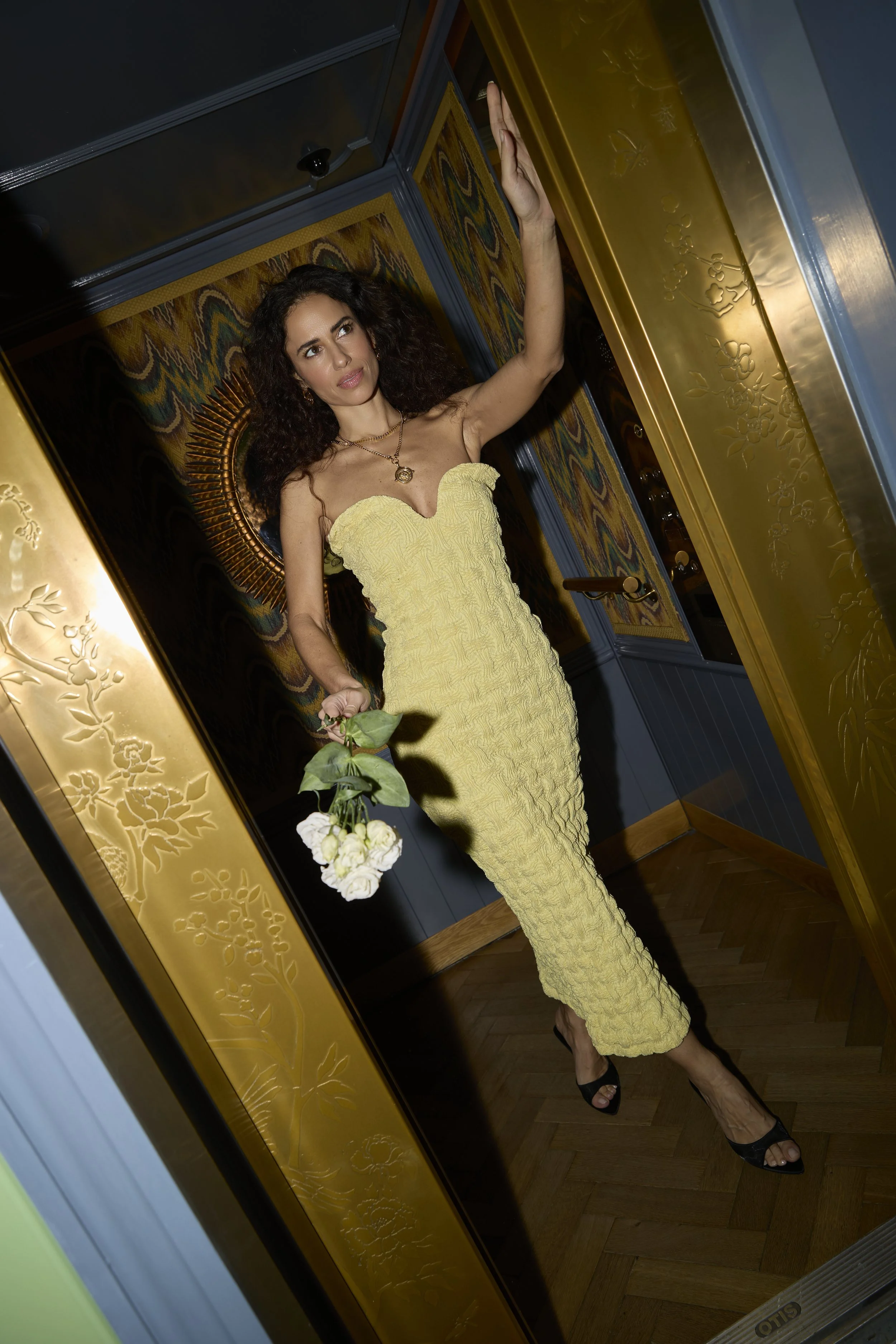
The "wear it again" promise has long been a gentle wedding myth. Bridesmaids dresses are often chosen with the best intentions — and the honest acknowledgement that the style may not travel far beyond the wedding day. But that's changing.
Sustainability is now a central part of how UK brides plan their weddings. Couples in 2026 are actively seeking ways to reduce waste, support circular fashion, and invest in pieces that have life beyond a single event. That extends beyond the wedding dress itself to every garment in the bridal party.
Dyeing offers a genuinely practical solution. A sage bridesmaid dress dyed to a deep forest green becomes an elegant evening gown. A blush satin gown dyed charcoal transforms into a versatile cocktail dress. The fabric is already there and the transformation simply takes it somewhere new.
What Types of Bridesmaid Dress Can Be Dyed?
Not every fabric takes dye in the same way, and understanding this is key to getting beautiful results:
Natural fabrics dye best. Silk, cotton, linen, and wool are the most receptive to professional dye, they absorb colour evenly and produce rich, lasting results.
Polyester and synthetics are trickier. Fully synthetic fabrics don't absorb standard dyes well and require specialist disperse dyes and high-heat processes. Results can be less predictable, though an experienced designer will advise on what's achievable.
Blended fabrics sit somewhere in between. A dress that's 60% polyester, 40% viscose will dye partially — the natural fibres take the colour, while the synthetic fibres resist it. This can create interesting tonal effects.
Colour theory matters. Dye works additively, adding colour to what's already there. You can dye a pale dress darker (blush to burgundy, ivory to navy), but you can't reliably go from dark to light without additional treatment.
The Most Popular Bridesmaid Dress Dye Transformations
From pastel to deep, saturated tones. Light sage, blush, powder blue, and champagne gowns dyed to emerald, bordeaux, navy, or chocolate brown — one of the most popular and effective transformations.
From white or ivory to a statement colour. Ivory or white bridesmaids dresses dyed to a beautiful dusty rose, sage, or even black — making especially striking evening pieces.
Matching the bridal colour palette for a second event. Bridesmaids wear a lighter shade for the wedding, then have dresses dyed to a darker coordinating tone for the post-wedding party or a future event.
Creating a coordinated set across different styles. If your bridesmaids wore different styles in the same colour, dyeing them to a new unified shade creates a cohesive wardrobe collection for the whole wedding party.
How the Bridesmaid Dress Dyeing Process Works in the UK
Working with a professional designer is quite different from attempting a home dye job (which, for delicate bridal fabrics, almost always ends in heartache). Here's what the professional process typically looks like:
1. Initial consultation. You share photos of the dresses, fabric composition if known, and your desired colour. The designer assesses the fabric and discusses realistic colour outcomes.
2. Fabric swatch testing. Most professional dyers will test on a small swatch or hidden seam allowance first, allowing you to approve the colour before the full dress is treated.
3. The dyeing process. Depending on the fabric and technique, this may involve immersion dyeing, gradient/ombre dyeing, or specialist processes for synthetic fabrics.
4. Finishing and quality check. Once dyed, the garment is carefully finished and inspected. Any additional alterations agreed upfront are completed at this stage.
5. Return to you. Your transformed dress arrives back, ready to be worn — and worn again, and again.
Timelines vary by designer and complexity, but most projects take between two and six weeks.
What to Expect in Terms of Cost
Professional bridesmaid dress dyeing in the UK typically ranges from around £150 to £350+ per dress, depending on fabric type, dress complexity, and the extent of colour transformation required. Simple cotton or silk dresses in a single colour tend to sit at the lower end; multi-layer gowns or complex ombre effects will cost more.
When multiple dresses from the same wedding party are dyed together, some designers offer a reduced rate. Please enquire about group pricing.
FAQs: Dyeing Bridesmaid Dresses in the UK
Can you dye a bridesmaid dress at home? Technically yes, but it's rarely advisable for bridal-quality fabrics. Home dye kits work poorly on silk, chiffon, or synthetic blends, and uneven results are common. Professional dyeing is worth the investment.
Can you dye a polyester bridesmaid dress? Polyester requires specialist disperse dyes and high-heat processing. Results are less predictable than with natural fabrics, but experienced designers can often achieve beautiful results. Always get a fabric assessment and swatch test first.
How dark can you dye a bridesmaid dress? Generally, you can dye a pale dress significantly darker (from blush to burgundy, or ivory to navy). Going lighter requires bleaching or stripping the existing colour first, which is more complex.
Can all bridesmaids have their dresses dyed to the same colour? Yes, this is a popular option. Even with different silhouettes, dyeing to a unified new colour creates a cohesive look. Slight tonal variation across different fabrics can actually add to the overall effect.
Give Your Bridesmaid Dresses a Second Life
The dresses were chosen with care. They were worn with love. And now they deserve a future beyond the wardrobe — one where they're actually worn, enjoyed, and part of the story beyond a single day.
Whether you want to transform a set of bridesmaid gowns into versatile evening pieces, or simply give one beloved dress the new chapter it deserves, professional dyeing can make it happen. Find a vetted bridesmaid dress designer at Phini and discover what your dresses could become.